Essential instruments for integrating environmental considerations into planning and decision-making

By integrating these assessments into the early stages of planning, we can effectively avoid, minimize, or mitigate adverse effects – ensuring that environmental protection is never an afterthought, even in a complex transboundary context.
Ovi instrumenti jamče da se rizici rješavaju rano; prioritet se daje održivim alternativama, a razvoj se odvija na ekološki prihvatljiv i društveno odgovoran način. Ovaj proaktivan pristup nije samo najbolja praksa; on je pravni temelj propisan člankom 10. Protokola o ICZM-u i drugim međunarodnim sporazumima.

To ensure comprehensive protection, we don’t just look at the environment through one lens. Different levels of assessment are applied, scaling from the broad horizon of policy down to specific programmes and projects.
SEA applies at a higher, strategic level to assess the environmental effects of plans, programmes, and policies. By focusing on the “big picture”, it examines cumulative and long-term impacts, ensuring that the overall direction of development is sustainable from the very start.
Once a specific project is proposed, EIA acts as a project-level assessment. It is used to evaluate the potential environmental effects of specific proposed activities on biodiversity, water, air, soil, landscape, and human health. This ensures that every local action is scrutinised for its immediate environmental footprint.
Vulnerability and suitability assessments are analytical tools used to understand how sensitive environments, ecosystems, or communities are vulnerable to pressures and how certain areas are suitable for specific uses or developments. Together, these assessments support informed planning, spatial decision-making, and the identification of resilient and environmentally appropriate development options.
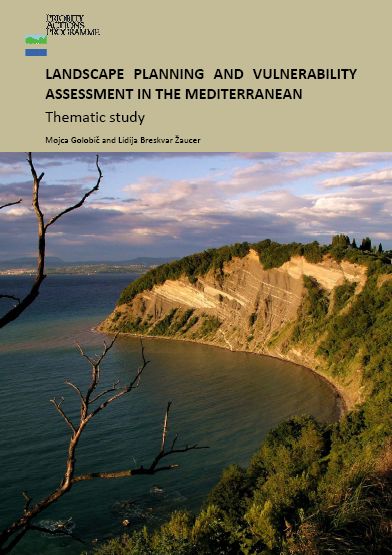
This approach, developed by PAP/RAC, has been successfully implemented in various regions, including CAMP Levante de Almeria (Spain), CAMP Slovenia, and as part of the GEF Adriatic project in Boka Kotorska Bay (Montenegro). The results of these assessments provide crucial inputs that can stand alone or be integrated with spatial, sectoral, and development plans.
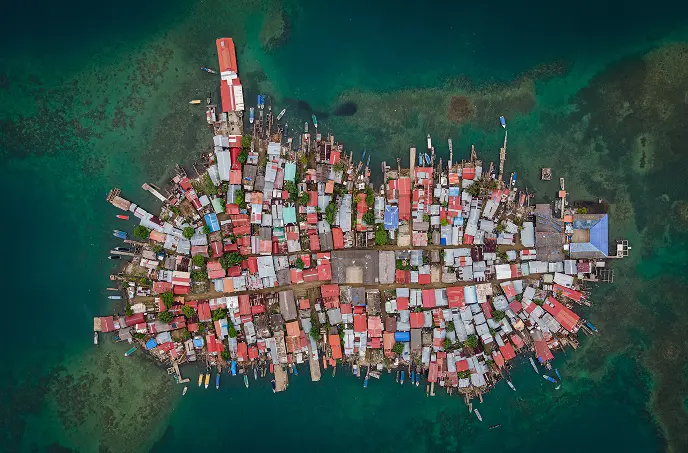
Environmental impacts don’t stop at national frontiers. A river polluted in one country flows into another; major industrial developments in one state can affect the shared waters of its neighbor. This is why transboundary environmental assessments are so vital – they act as a diplomatic and ecological bridge, ensuring that any Contracting Party to the Barcelona Convention potentially affected by a project is informed, consulted, and able given a seat at the decision-making table.
Kako bi ova suradnja funkcionirala, oslanjamo se na čvrste pravne temelje. Espoo konvencija postavlja jasne obveze za procjenu utjecaja na okoliš na razini projekta, a Kijevski protokol o SPUO-u proširuje te obveze na šire planove i programe. Na Mediteranu je to dodatno pojačano člankom 29. Protokola o ICZM-u, koji izričito zahtijeva provedbu prekograničnih procjena utjecaja na okoliš.
In support of these regional efforts, under the guidance of the UNEP/MAP Coordination Unit and in cooperation with the UNECE secretariat of the Espoo Convention and the Protocol on SEA, PAP/RAC contributed with the preparation of the legal study on how to better implement transboundary EIA/SEA within the Barcelona Convention framework. Beyond this analysis, we co-organised joint meetings with UNECE, evaluated the state of implementation of such requirements in the region, and promoted their implementation. This work continues with the current development of the Guidelines for environmental assessment in a transboundary context in the Mediterranean.
Istražite ključna izvješća, smjernice i publikacije znanja koje podupiru održivo upravljanje obalnim i morskim područjima