Partnership:
- United Nations Environment Programme/Mediterranean Action Plan
- Priority Actions Programme/Regional Activity Centre,
- Specially Protected Areas/Regional Activity Centre
Ministry of Tourism and Environment, Albania - Ministry of Ecology, Spatial Planning and Urbanism, Montenegro
- National Agency for Protected Areas, Albania
Geographic scope
Albania and Montenegro (Adriatic Sea sub-region)
Key objectives
- strengthen knowledge and capacities for integrated assessment and sustainable use of marine areas
- support the implementation of the ecosystem approach through IMAP
- advance MSP as a tool for improving environmental status
- promote stakeholder engagement and knowledge sharing at the sub-regional level
Main results
The project contributed to strengthening the scientific and policy basis for marine management in the Adriatic:
- integrated national monitoring programmes were developed for Albania and Montenegro, covering biodiversity, fisheries, hydrography, coastal ecosystems, eutrophication, contaminants and marine litter
- assessment processes were initiated to evaluate the state of the marine environment and support progress towards Good Environmental Status (GES)
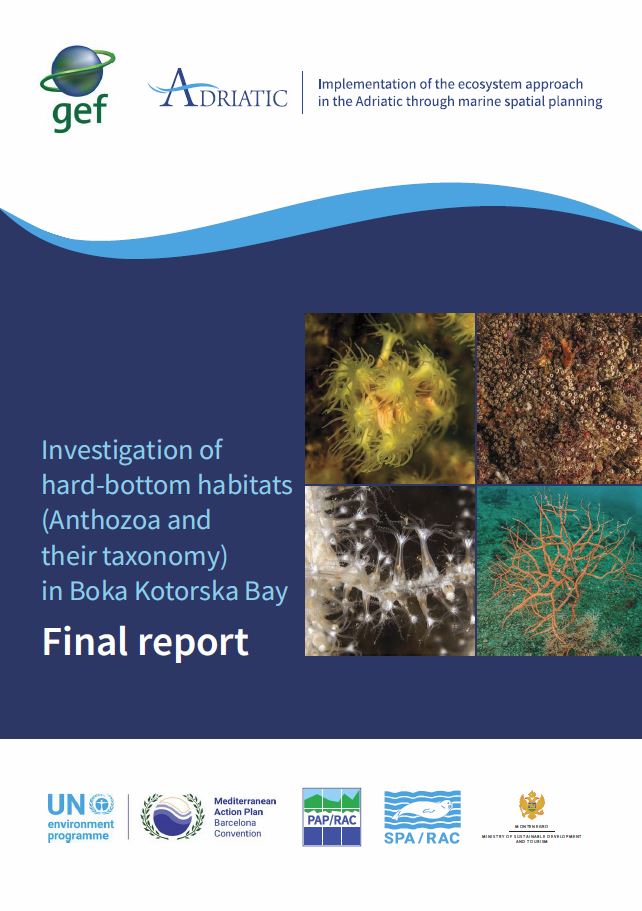
- field surveys were carried out to address key data gaps, including in Montenegro and subsequently in Albania
- a first Marine Spatial Plan was developed in Montenegro as a demonstration for the wider Adriatic region
- national consultations in Albania supported the understanding of legal, institutional and planning requirements for MSP
- capacity-building activities, including trainings and workshops, strengthened national and sub-regional expertise
- stakeholder engagement processes were implemented, increasing awareness and supporting participatory decision-making
A key outcome of the project was the development and successful application of a methodology integrating MSP and the ecosystem approach, aligned with IMAP, and applicable across the Adriatic context.
Role of PAP/RAC
PAP/RAC contributed to the implementation of the project by supporting the integration of MSP and ICZM approaches, facilitating national processes and stakeholder engagement, and contributing to the development and testing of integrated methodologies for ecosystem-based marine management.