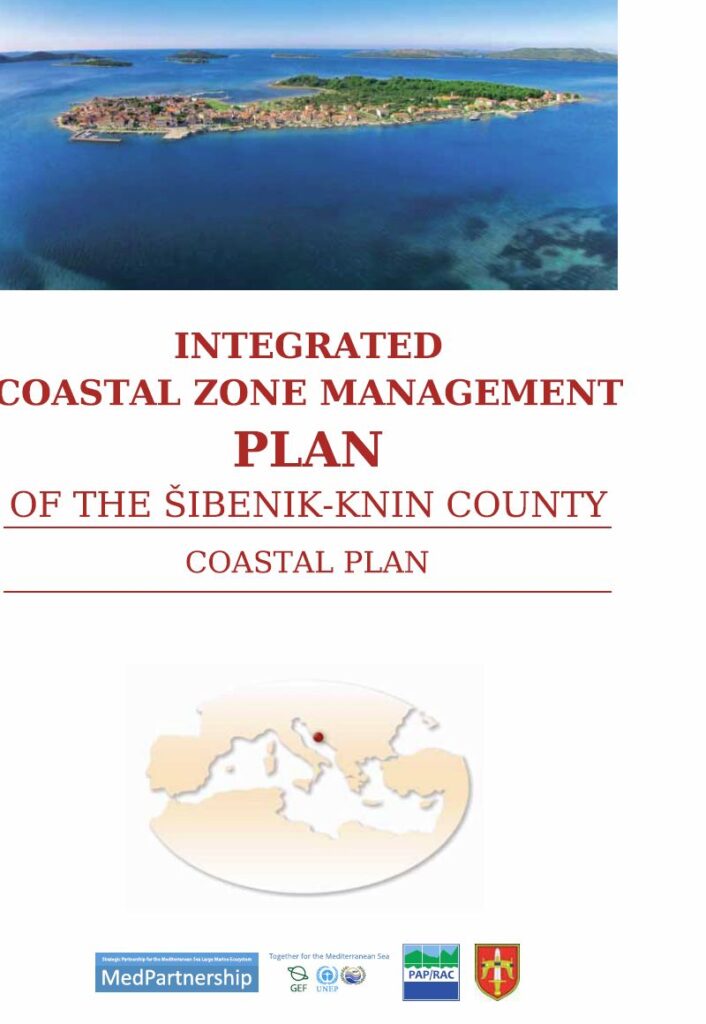
PAP/RAC works with coastal authorities across the Mediterranean to co-develop strategic Coastal Plans that strengthen governance, resilience, and sustainable coastal development

Required by Article 18 of the ICZM Protocol, Coastal Plans are a core obligation for every Contracting Party to the Barcelona Convention, alongside national ICZM strategies and programmes.
Developed through participatory processes and science-based assessments, these strategic plans translate ICZM principles into spatially oriented guidance for managing coastal development, protecting ecosystems and addressing climate risks. In addition to the ICZM Protocol, Coastal plans are guided by the Regional Climate Change Adaptation Framework, Article 4, paragraph 1(e) of the United Nations Framework Convention on Climate Change and the United Nations General Assembly resolutions “Strengthening cooperation for integrated coastal zone management for achieving sustainable development” (2025 and 2023).
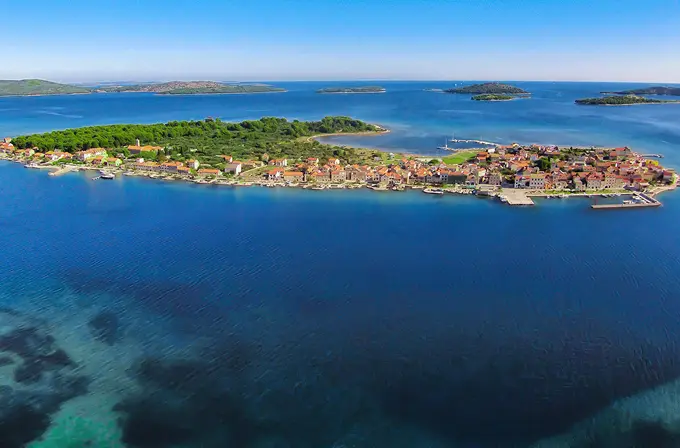
Each coastal context is unique, but the challenges posed by climate change are shared across the Mediterranean. Integrated coastal planning helps translate these challenges into concrete adaptation measures tailored to local realities.
Examples such as Šibenik-Knin County (Croatia), Boka Kotorska Bay (Montenegro) and the Tangier–Tetouan–Al Hoceima region (Morocco) demonstrate how Coastal plans can guide climate-responsive development, balance environmental protection with socio-economic needs, and safeguard natural and cultural heritage.
Across these coastal contexts, nature-based solutions are increasingly emerging as a key approach to addressing climate risks while supporting sustainable coastal development.
Coastal planning that combines climate risk reduction with sustainable development
Balancing heritage protection with growing development pressures
Using nature-based solutions to address climate risks and support resilient coastal development
Coastal Plans seek to enable systemic green transition in response to accelerating climate change. They therefore promote integrated measures that support both adaptation and mitigation. Among these, nature-based solutions play a particularly important role, helping coastal ecosystems reduce climate risks while also contributing to climate mitigation.
Through Coastal plans and projects such as MedProgramme (GEF), DesirMED (Horizon EU), INCORE-Med (Interreg Euro-Med), and the earlier AdriAdapt and CREATE (Interreg Italy-Croatia), and MedPartnership and ClimVar (GEF), PAP/RAC supports countries across the Mediterranean in developing science-based tools and policies that strengthen local adaptation to climate change.
To ensure these solutions don’t remain isolated, our MedAdapt platform serves as a regional knowledge hub, promoting the exchange of experiences and transforming local case studies into scalable and replicable solutions aligned with long-term national and regional priorities.
By prioritising nature-based solutions (NbS) in coastal planning, PAP/RAC supports the protection and restoration of ecosystems that reduce climate risks, contribute to mitigation efforts, and sustain coastal livelihoods. In this way, coastal planning becomes a key driver of the Mediterranean’s transition towards resilient and sustainable coastal systems.

Explore key reports, guidelines and knowledge products that support sustainable coastal and marine management