Project Overview
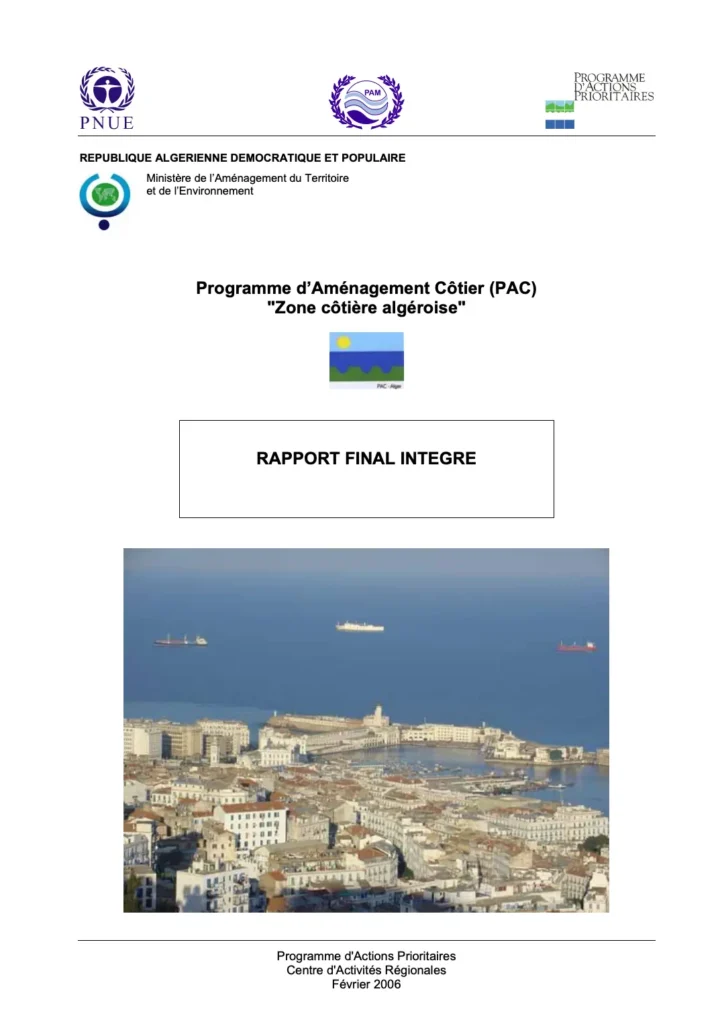
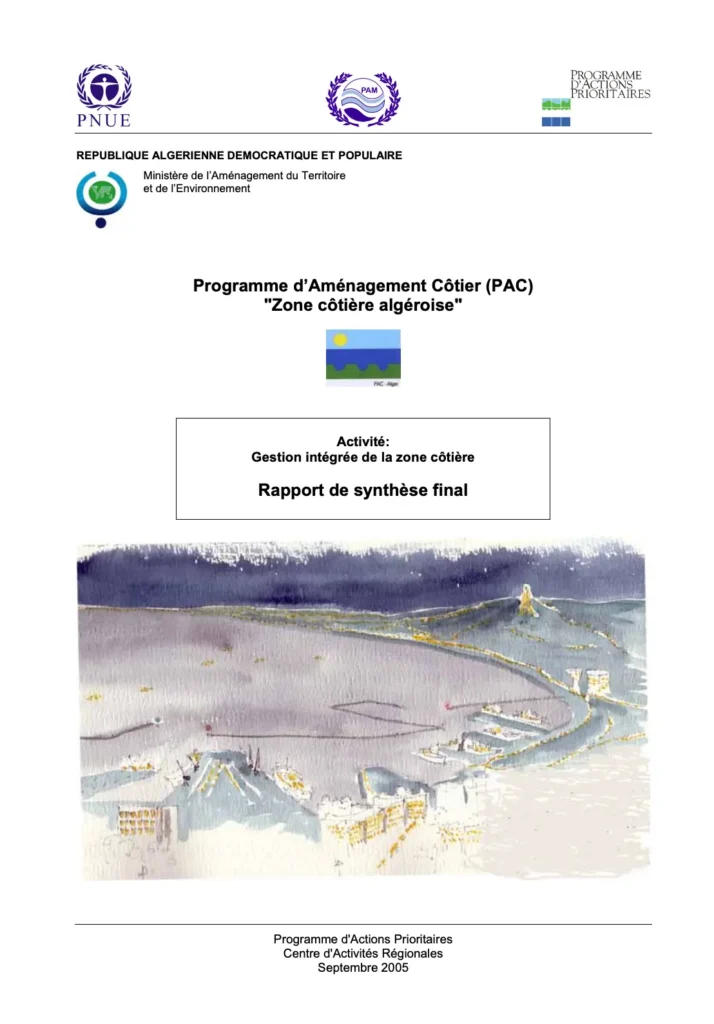
The Coastal Area Management Programme (CAMP) for the Algerian Coastal Area was implemented under the Barcelona Convention in cooperation with the Government of Algeria to support integrated coastal area management (ICAM) in one of the most densely populated and environmentally pressured coastal regions of the country.
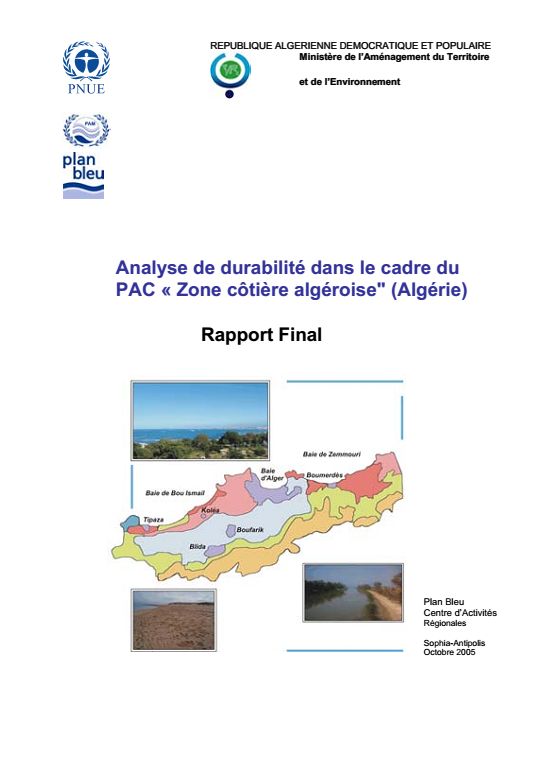
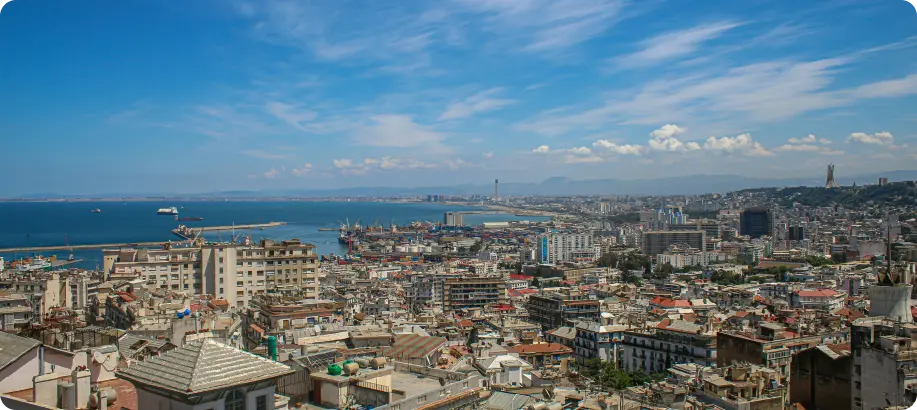
The project covered a 115 km coastal stretch between the Bay of Bou-Ismail and the Bay of Chenoua, including a large hinterland comprising the Mitidja plain, Sahel hills and coastal plains. The area hosts over 4 million inhabitants and is characterised by strong urbanisation, intensive resource use and significant environmental pressures affecting both coastal and inland systems.
The project aimed to establish an integrated framework for managing coastal development and environmental protection, addressing growing pressures from urbanisation, pollution and resource overexploitation.
Key Objectives
Building on this context, CAMP Algeria focused on strengthening the basis for integrated coastal planning and sustainable development, combining sectoral interventions with cross-cutting approaches.
The project was guided by the following key objectives:
- control urbanisation and limit soil artificialisation in coastal areas
- address pollution from urban, industrial and agricultural sources
- improve integrated management of water and natural resources
- protect environmentally sensitive natural and cultural sites
- introduce integrated coastal area management approaches into planning and decision-making
- strengthen information systems, sustainability analysis, capacity building and stakeholder participation
- support the development of financing strategies for sustainable coastal management
Main results
- Support to strategic planning and policy development, including:
- preparation of a prospective sustainability strategy and a strategy of concrete actions
- development of recommendations for a national policy on sustainable coastal area management
- formulation of a portfolio of priority investments and financing mechanisms
- identification of follow-up activities supporting long-term implementation
- Strengthened knowledge base and integrated analysis, including:
- detailed assessment and diagnosis of environmental, socio-economic and spatial conditions in the coastal zone
- analysis of trends affecting natural resources, environmental quality and development pressures
- development of prospective scenarios supporting a shared long-term vision for the coastal area
- Integration and methodological development, including:
- consolidation of sectoral analyses into an integrated planning framework
- development of a shared action plan based on cross-sectoral inputs
- application of sustainability analysis and ICAM methodologies to support decision-making
The project provided a foundation for coordinated post-CAMP actions, strengthening the conditions for sustainable implementation of integrated coastal management in Algeria.
Partnership
- Ministry of Territorial Planning and the Environment
- Institut des Sciences de la Mer et de l’Aménagement du Littoral (ISMAL)
- With the support of relevant national institutions
UNEP/MAP – Barcelona Convention system:
- PAP/RAC
- PB/RAC
- ERS/RAC