Project overview
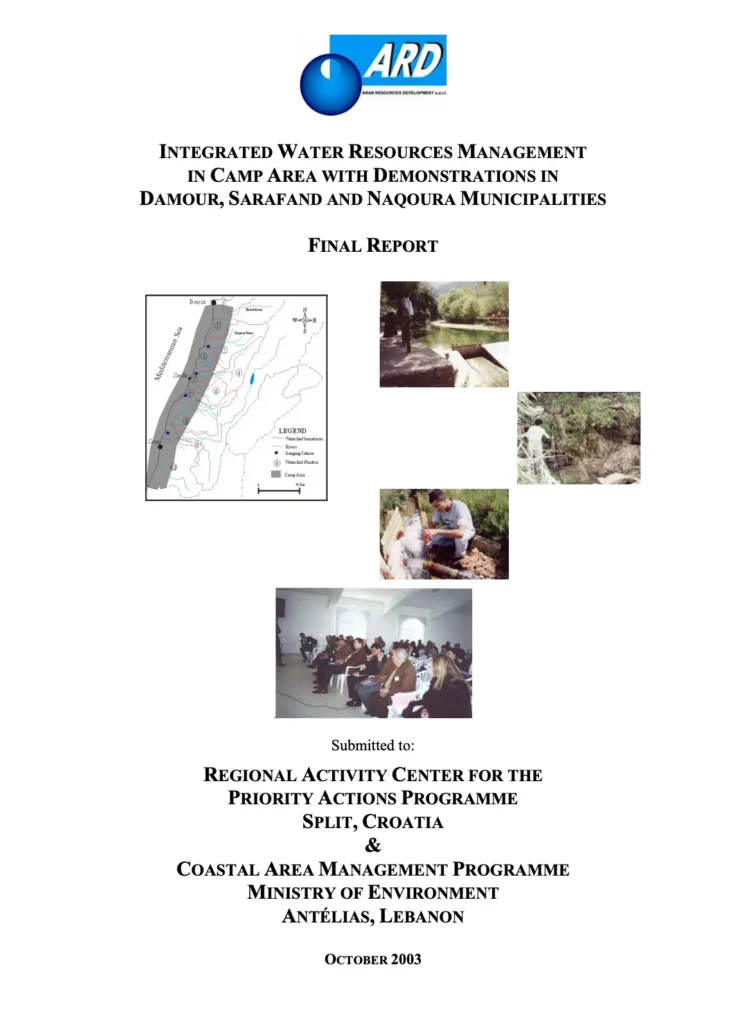
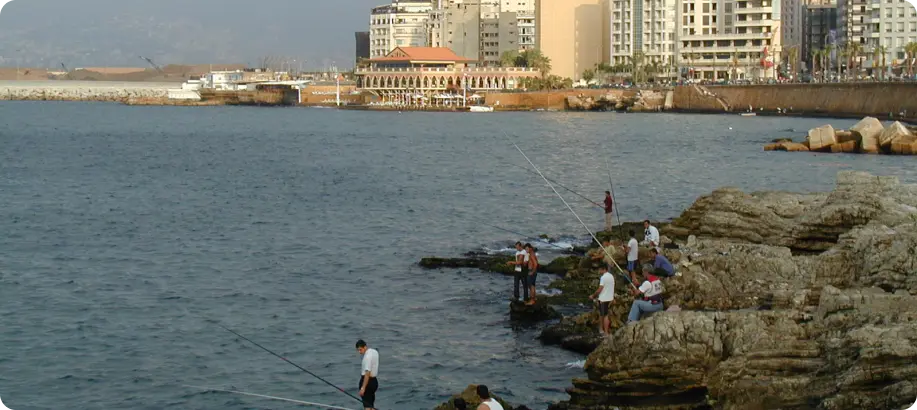
CAMP Lebanon focused on the southern coastal region of the country, covering approximately 615 km², or about 6% of Lebanon’s total land area. The coastal stretch extends 85 km, accounting for 33% of the national coastline, from Khaldeh to Sour (Tyre).
The project area was defined at two levels:
- National level: the broader coastal area south of Beirut
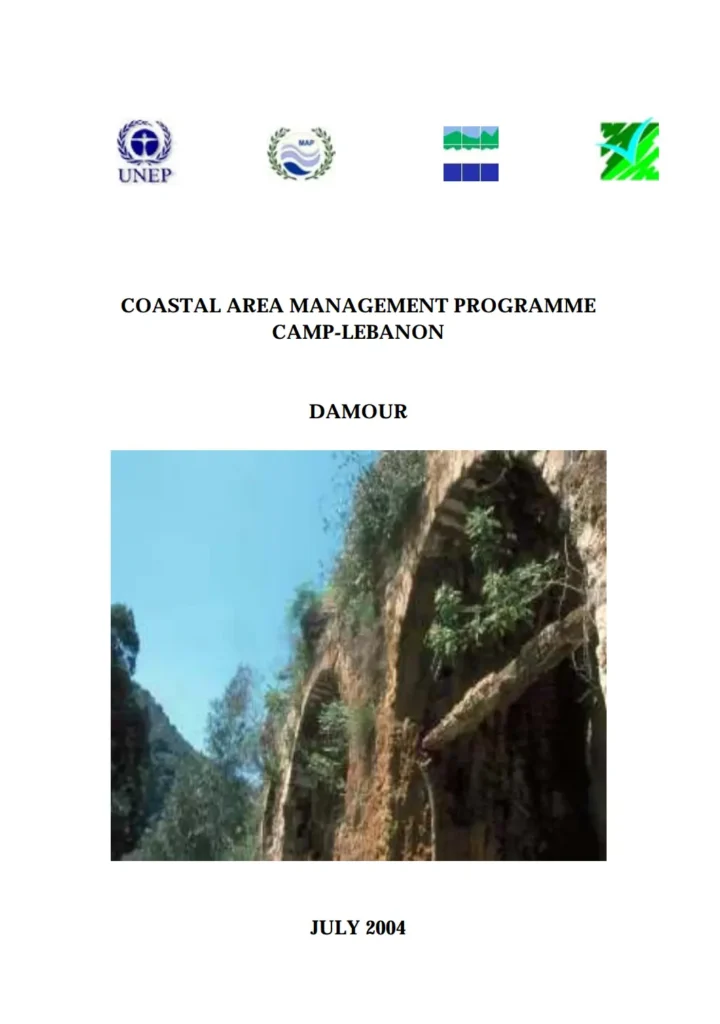
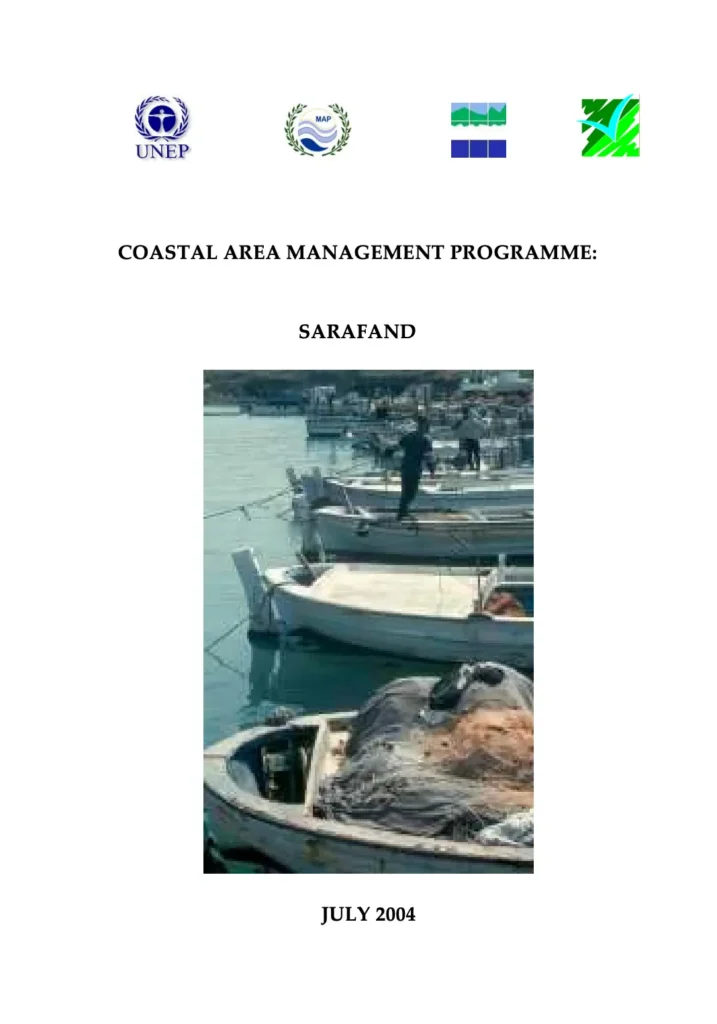
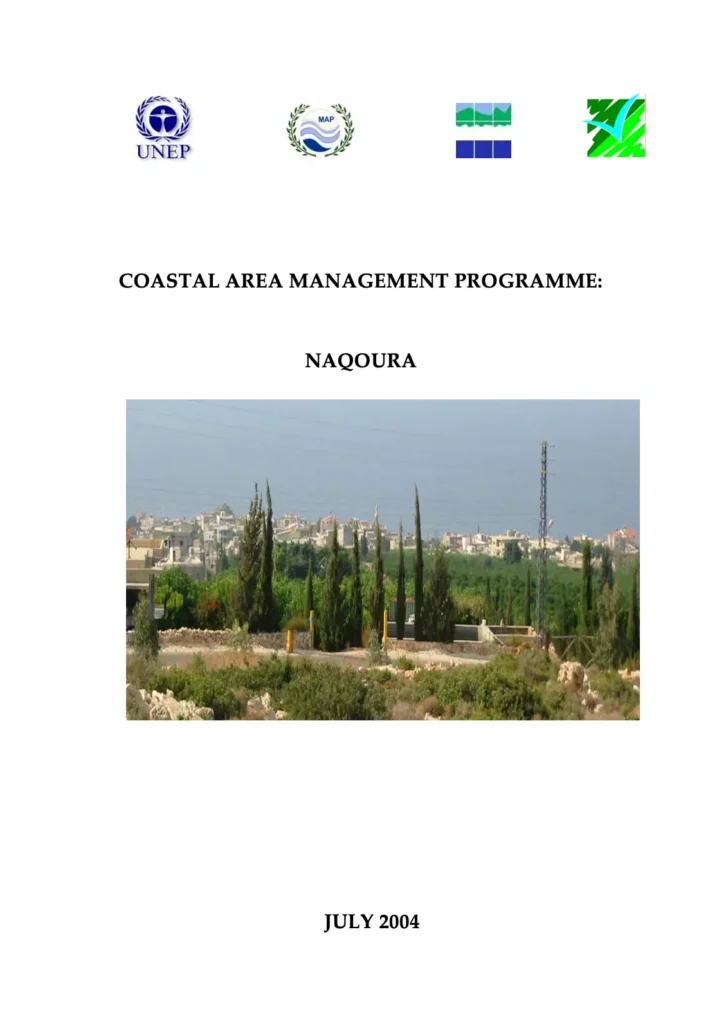
- Local level: three key municipalities – Damour, Sarafand, and Naqoura
This area holds significant ecological, agricultural, and socio-economic value but faces intense urbanisation pressures, as well as a wide range of interlinked environmental and governance issues:
- Absence of a national coastal management plan and legal framework
- Fragmented institutional responsibilities and outdated regulations
- Weak civil service capacity and reliance on a top-down planning model
- Unregulated industrial expansion and tourism development
- Loss of agricultural land and degradation of woodlands
- Sea and freshwater pollution from untreated waste and solid waste dumps
- Air pollution in urban areas
- Poor coordination of external aid and lack of integrated strategies
- Limited public participation and technical capacity at the local level
Key objectives
The project aimed to:
- Support integrated coastal area and river basin management (ICAM and IRBM)
- Develop legal, institutional, and strategic frameworks for ICAM in Lebanon
- Align environmental protection with socio-economic development goals
- Build technical and institutional capacity at national and local levels
- Promote community engagement and participatory planning
- Provide tools and strategies to address priority coastal and urban challenges
Results and outputs
The project comprised eight main activity areas:
- Integrated Coastal Area Management
- Data and Information Management
- Integrated Water Resources Management
- Marine Conservation Area Development
- Integrated River Basin Management
- Sustainable Tourism Development
- Urban Management and Sustainable Development
- Participatory Programme
Among the outputs, the following have been produced:
- Drafting of two major national policy documents: a legal framework for Integrated Coastal Area Management (ICAM) and a National ICAM Strategy for Lebanon
- Strengthened capacity through training, workshops, field visits, and on-the-job learning
- Active participation of local committees on water, waste, land-use, and tourism
- Systemic and Prospective Sustainability Analysis (SPSA)
- Carrying Capacity Assessment (CCA) for tourism
- Integrated land-use management and Local Agenda 21 principles
- Promotion of links between cultural heritage and sustainable development
- Identification of policy, technical, legal, and administrative solutions for critical gaps
- Engagement with funding agencies to develop project proposals based on CAMP outputs
Follow-up
Several follow-up initiatives and proposals have been developed to continue the work started under CAMP Lebanon, reinforcing its long-term impact on environmental governance and sustainable development in the country.