Project overview
The Coastal Area Management Programme (CAMP) Montenegro was implemented under the Barcelona Convention following a request by the Government of Montenegro, with the Project Agreement signed in May 2011 after preparatory phases (2007–2010). The project covered the entire coastal zone, including six municipalities (Herceg Novi, Kotor, Tivat, Budva, Bar and Ulcinj), approximately 1,591 km² of land and 2,500 km² of marine area, encompassing a highly diverse and environmentally sensitive coastline.
The project aimed to advance integrated coastal zone management (ICZM) in line with the ICZM Protocol, with a strong focus on supporting national spatial planning processes in the coastal zone.
Key objectives
Building on this foundation, CAMP Montenegro focused on strengthening the institutional and methodological basis for integrated coastal governance, ensuring that planning processes are better coordinated, inclusive and grounded in sound evidence.
The project was guided by the following key objectives:
- strengthen the integration of ICZM principles into national spatial planning, particularly through the CASP process
- support the development of a coherent National ICZM Strategy
- improve coordination across sectors and governance levels involved in coastal management
- introduce participatory approaches to planning and decision-making
- enhance national and local capacities for applying ICZM tools and methodologies
Main results
CAMP Montenegro generated a valuable technical and participatory basis for informed decision-making, with results directly feeding into national planning and strategic processes.
The main results include:
- Support to the Coastal Area Spatial Plan (CASP), including:
- baseline assessments and spatial planning guidance
- definition of the setback zone and its extension to safeguard high-value coastal areas and support climate adaptation
- integration of environmental and spatial considerations into planning, including identification of areas requiring limited construction and conditions for sustainable land use
- Strengthened knowledge base and governance processes, including:
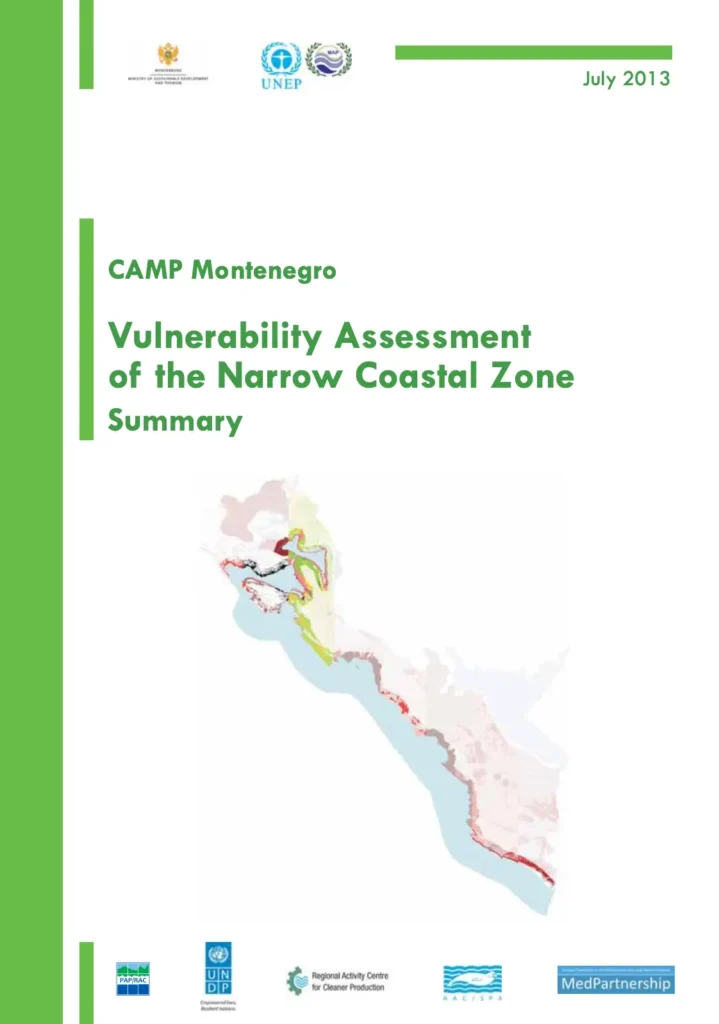
- targeted studies and sectoral analyses providing an evidence base for decision-making, including assessments relevant for agriculture and coastal development
- progress in the development of the National ICZM Strategy, supported through analytical work and stakeholder engagement
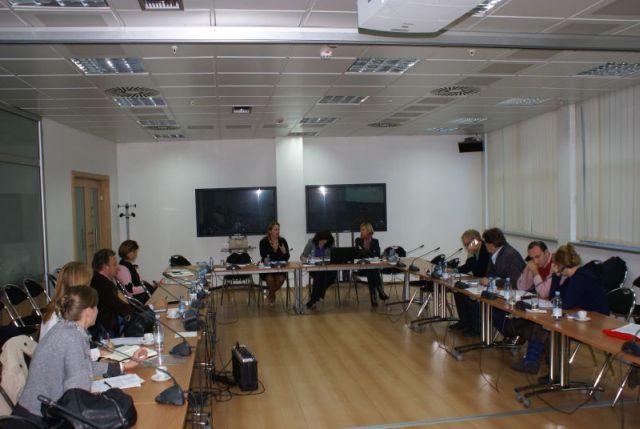
- implementation of participatory processes, including in-depth consultations with key stakeholders, strengthening the basis for inclusive coastal governance
Partnership
- Ministry of Sustainable Development and Tourism
- UNDP Montenegro
- With the support of relevant national institutions
UNEP/MAP – Barcelona Convention system:
- PAP/RAC
- SPA/RAC
- SCP/RAC