Project overview
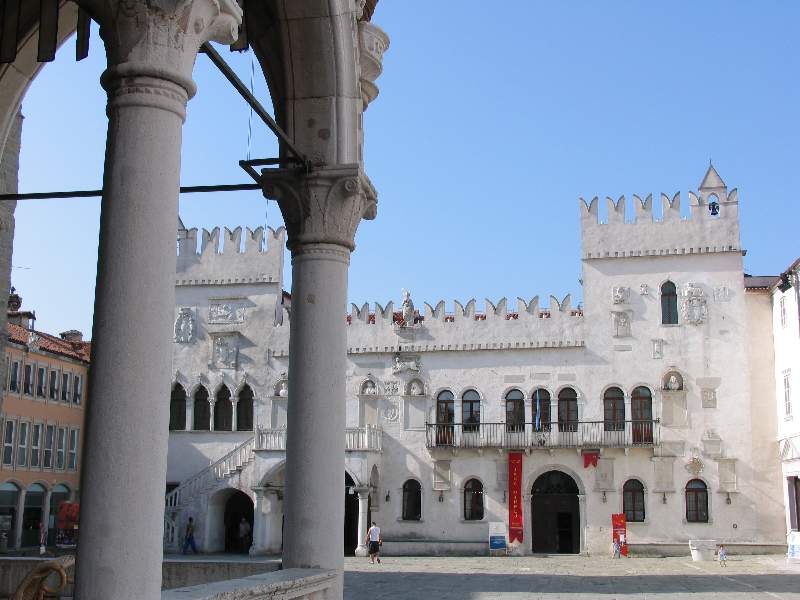
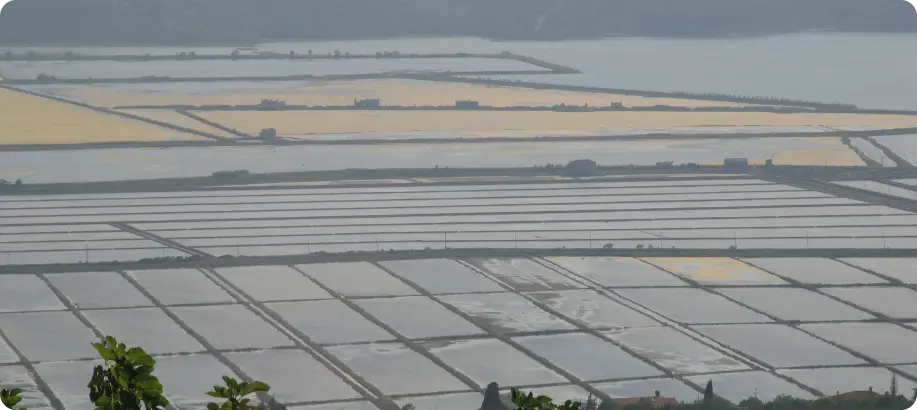
CAMP Slovenia focused on the country’s small but densely populated coastal region and adjacent hinterland. Depending on the planning scale, the project area included: 3 coastal municipalities, 8 municipalities of the Coast-Karst hinterland region.
Home to around 100,000 people (with 80% living along the coast), this economically dynamic area relies heavily on services, tourism, maritime transport (notably the Port of Koper), and to a lesser extent, agriculture. Despite strong development, disparities exist between coastal and inland zones. Several interlinked environmental and planning issues in the region were as follows:
- Incomplete wastewater and solid waste infrastructure
- Insufficient management of protected areas
- Drinking water protection and planning for future water needs
- Urban sprawl and land-use pressures
- Coastal and marine pollution from maritime activities
- Gaps in environmental data and information systems
Key objectives
CAMP Slovenia aimed to:
- Integrate coastal and river basin planning, in line with the EU Water Framework Directive
- Strengthen regional spatial planning and sustainable development frameworks
- Enhance cooperation across municipalities and sectors
- Build institutional capacity and promote stakeholder engagement
- Provide tools for long-term environmental and economic sustainability
Results and outputs
A wide range of stakeholders were engaged through a programme board of nearly 50 members, including municipal leaders, ministries, businesses, trade unions, and NGOs. This inclusive structure helped ensure long-term relevance and ownership of the project’s outputs:
- Strengthened collaboration across municipalities and government levels
- Integrated planning framework linking coastal and inland development
- Progress toward improved water resource management and environmental infrastructure
- Raised awareness and engagement on sustainable coastal development
Follow-up
By anchoring CAMP Slovenia within an active regional development agency, the project built a foundation for continuity. It contributed to ongoing national and EU-aligned planning efforts, while offering a model for integrating coastal, river basin, and spatial planning in small but complex regions. The very first action after its completion was the ratification of the ICZM Protocol as the first Contracting Party. This led to the annual celebration of Coast Day on 25 September.