Coordinating marine spatial planning across the Mediterranean

This work is supported by shared knowledge and collaboration tools such as the MSP Workspace, which provides guidance, resources and examples for MSP development across the Mediterranean. Together, these efforts promote coherent approaches across the basin and strengthen cooperation among national administrations responsible for marine management.
The Barcelona Convention system provides the regional policy foundation for advancing marine spatial planning across the Mediterranean. PAP/RAC contributes to shaping this shared approach by developing key guidance and strategic documents that support coordinated MSP development across the region. Earlier projects such as PlanCoast, SUPREME and SIMWESTMED have also played an important role in developing and testing this regional approach.
Through key policy documents — including the Conceptual Framework for Implementing Marine Spatial Planning in the Mediterranean, the Position Paper on Advancing MSP in the Mediterranean and the MSP Roadmap — countries work towards shared priorities such as ecosystem-based planning, climate resilience and the sustainable blue economy.
These frameworks help ensure that national MSP processes develop in a coordinated way while respecting each country’s institutional and planning context.

Regional dialogue is essential for aligning national MSP processes across the Mediterranean. PAP/RAC supports this cooperation through the MSP Working Group under the Barcelona Convention, bringing together national representatives and experts to exchange experience and coordinate regional progress.
The Centre also contributes to wider knowledge networks such as the Mediterranean MSP Community of Practice, strengthening peer exchange, technical collaboration and long-term cooperation among Mediterranean countries. Through initiatives such as the MEDIGREEN project, PAP/RAC also contributes to transnational cooperation on MSP, supporting the integration of the green transition of key maritime sectors — including offshore renewable energy, fisheries, aquaculture and nature protection — into marine spatial planning.
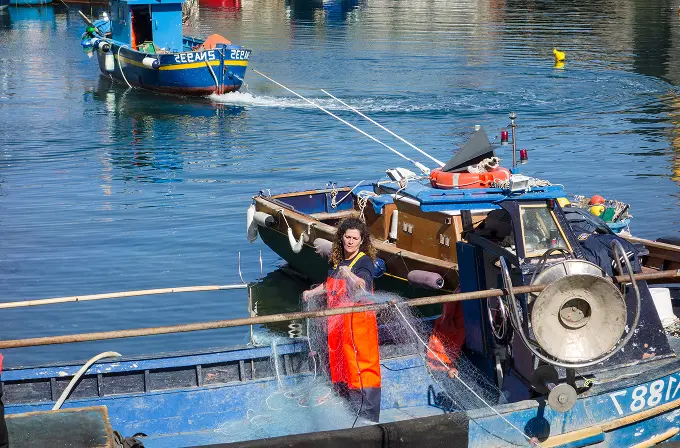
Evidence is essential for informed spatial decisions at sea. PAP/RAC prepares targeted analyses on marine vulnerability, cumulative pressures, sector interactions and blue economy trends across the Mediterranean.
These studies help countries understand emerging challenges and opportunities, supporting evidence-based MSP processes and providing practical input for marine planning.

PAP/RAC assists Mediterranean countries in advancing their MSP processes and preparing marine spatial plans. The Centre provides guidance throughout the preparation process, helping countries structure and develop their MSP initiatives from initial frameworks to plan development.
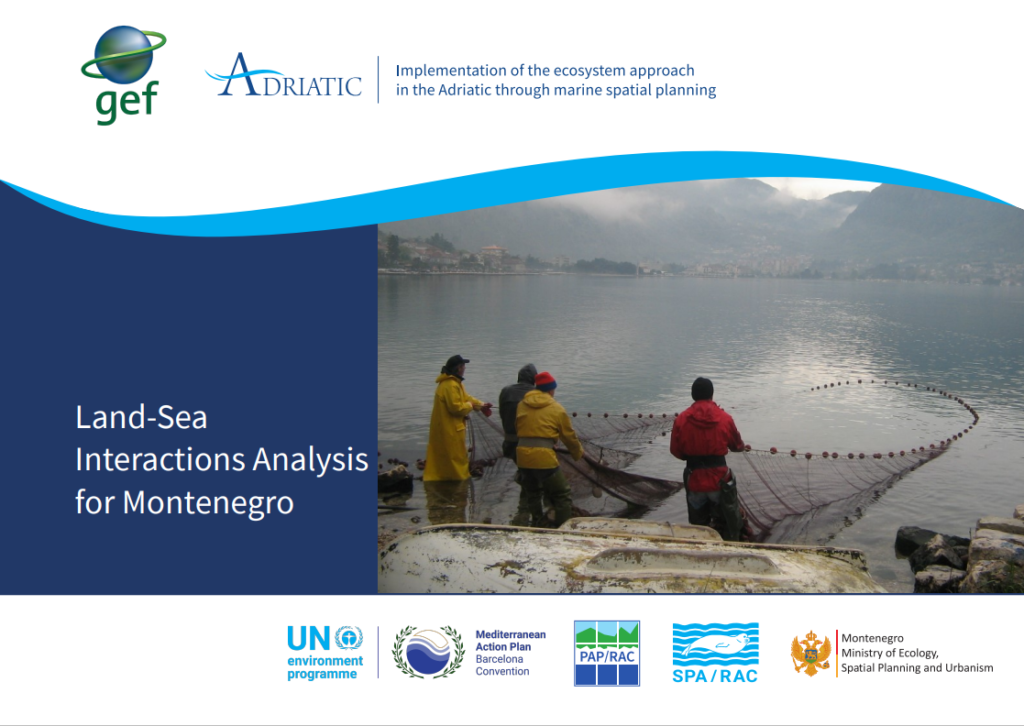
This support includes methodological guidance, stakeholder engagement approaches, technical analyses and alignment with regional commitments under the Barcelona Convention system. Success stories like the GEF Adriatic and Transboundary CAMP Otranto projects are key examples of this work. The MSP Workspace is central to these efforts, providing practitioners with practical tools and examples needed for every stage of the MPS process to balance environmental protection with the sustainable use of the sea.

Regional and national training activities help build the practical skills needed to implement MSP. PAP/RAC delivers training programmes for planners, technical experts and public authorities, supporting the development of national expertise and institutional readiness for marine spatial planning.
These activities also promote cooperation between ministries and agencies responsible for maritime sectors.
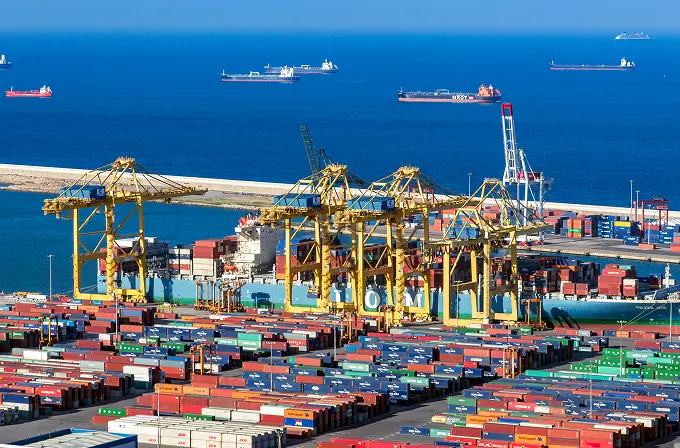
Effective MSP requires broad understanding and stakeholder engagement. PAP/RAC translates technical work into accessible communication, such as policy briefs, events and knowledge platforms.
By explaining MSP clearly and transparently, these activities help build confidence in marine planning processes and support dialogue among institutions, stakeholders and coastal communities.

Explore key reports, guidelines and knowledge products that support sustainable coastal and marine management